Ayurveda & Panchakarma in Noida: Personalised Ayurvedic Care
Ayurvedic consultation with Dr. Hemlata Soni (BAMS), classical Panchakarma and Ayurvedic therapies, planned around your constitution (Prakriti) and explained in plain language. Each page lists the published research behind it and says where the evidence is limited.
- BAMS Ayurvedic doctor
- First consultation free
- Spectrum Mall, Sector 75
- 4.9 on Google (273 reviews)
- Evidence-informed care
Visit us in Sector 75, Noida
C8, 5th Floor (Medical Floor), C-Tower, Spectrum Mall, Phase 1, Sector 75, Noida, Uttar Pradesh 201301How Can We Help?
Choose the area closest to your concern. If you are not sure, start with a consultation.
Ayurvedic Consultation
Doctor consultation, Prakriti and Vikriti assessment, diet and lifestyle guidance, and follow-up.
Conditions We Treat
Ayurvedic care for joint and back pain, digestive problems, skin and hair concerns and general wellness.
Panchakarma
The five classical procedures and supervised programmes, with preparation and aftercare explained.
Ayurvedic Therapies
Abhyanga, Shirodhara, Kati, Janu and Greeva Basti, Pinda Sweda, Udvartana and more.
Women’s Health
PCOS / PCOD, menstrual health, fertility support, pregnancy, postnatal care and menopause.
Psychosomatic Health
Mind-body care for stress, anxiety, sleep and stress-related symptoms, alongside your medical care.
Wellness & Lifestyle
Ayurvedic diet, daily and seasonal routine, yoga and meditation for everyday health.
How Care Works at AyurSoul
- ConsultationAn unhurried conversation with the doctor about your concern, history, diet, sleep and routine.
- AssessmentYour constitution (Prakriti) and current imbalance (Vikriti) are assessed, alongside any reports you bring.
- Personal planDiet and routine guidance, herbal medicines and therapies or Panchakarma where suitable, with costs agreed in advance.
- Review & follow-upProgress is reviewed and the plan adjusted. You are told honestly what to expect.
Panchakarma, Done Properly
Panchakarma is Ayurveda’s classical system of five cleansing procedures (Vamana, Virechana, Basti, Nasya and Raktamokshana), supported by preparation (Purvakarma) and a graded recovery diet (Paschatkarma). At AyurSoul it is always planned after a doctor’s assessment, and only where it suits you.
- Who it suits, and who should avoid it
- What preparation involves, and why it matters
- How long a programme takes
- Aftercare that makes results last
Meet the Doctor & Team
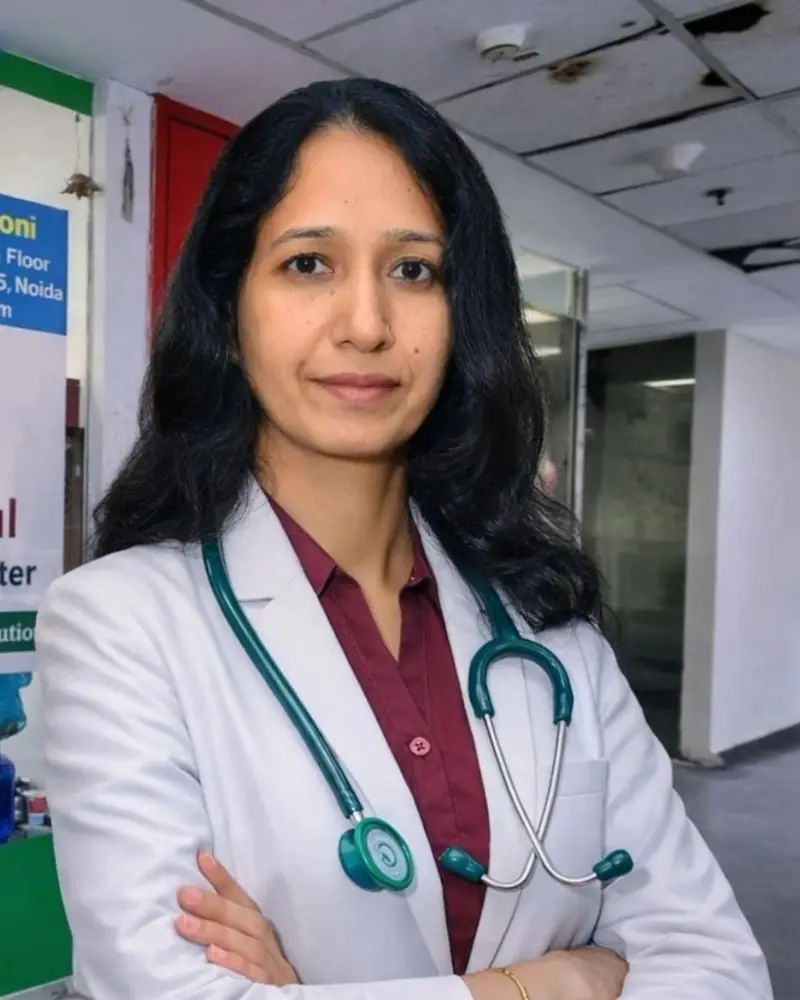
Dr. Hemlata Soni
BAMS · Chief Ayurvedic Consultant. Leads consultation and Panchakarma care, with a particular focus on women’s health and postnatal care.
YogiShri Govind Niranjan
Yoga & Wellness Expert. Guides yoga, breathwork and meditation as part of mind-body and lifestyle care.
Panchakarma Therapists
Trained therapists carry out Panchakarma and Ayurvedic therapies under the supervision of the consulting doctor.
Information You Can Check
Every condition, therapy and Panchakarma page on this site lists the published research behind it, with links to PubMed or the original source, and says plainly where evidence is still limited. Each page shows whether medical review by our doctor is complete; where it is still in progress, the page says so.
What Patients Say
Read our patients’ own words on Google. We don’t edit or select reviews.
Frequently Asked Questions
What happens at the first consultation?
The doctor takes a detailed history of your concern, health background, diet, sleep, digestion and routine, and carries out an Ayurvedic assessment of your constitution (Prakriti) and current imbalance (Vikriti). You then receive a personal plan, which may include diet and lifestyle changes, herbal medicines and therapies, with the reasoning explained. Please bring recent reports and a list of the medicines you take.
Can I continue my current medicines?
Yes. Do not stop or change any prescribed medicine without speaking to the doctor who prescribed it. Tell our doctor everything you take, so the Ayurvedic plan can be designed to work alongside your existing care.
How long does treatment take?
It depends on the concern and on you. Some therapies are single sessions, while Panchakarma programmes and treatment plans for long-standing problems usually run over several days or weeks with reviews along the way. The doctor will give you a realistic estimate after the assessment.
Is Panchakarma suitable for everyone?
No. Suitability depends on your health, age, current conditions and medicines, and some procedures are not advised in situations such as pregnancy. This is why Panchakarma at AyurSoul always starts with a doctor’s consultation rather than a fixed package.
What does a consultation cost?
Your first Ayurvedic consultation with our doctor is free. Therapy and Panchakarma plans, and their costs, are discussed and agreed after the doctor’s assessment, before any treatment starts.
Where are you located and when are you open?
We are on the 5th Floor (Medical Floor), C-Tower, Spectrum Mall, Sector 75, Noida, near Rainbow Metro Station (formerly Sector 50). Clinic hours are Mon–Sun, 10:00 AM – 8:00 PM.
Clinical Research
6 studies: 2 review articles, 3 institutional reports, 1 observational study.
Show the 6 studies
Selected published research on this topic, labelled by type. Systematic reviews and randomised trials are stronger evidence than smaller studies; individual results vary.
- World Health Organization. Global traditional medicine strategy 2025-2034. WHO, 2025. Institutional guidance Source
- World Health Organization. WHO benchmarks for the training of ayurveda. WHO, 2022. Institutional guidance Source
- National Center for Complementary and Integrative Health (NCCIH), NIH. Ayurvedic Medicine: In Depth. NCCIH / NIH, 2019. Institutional guidance Source
- Patwardhan B. Bridging Ayurveda with evidence-based scientific approaches in medicine. The EPMA journal, 2014. Review article PubMed
- Sharma H, Chandola HM, Singh G, et al.. Utilization of Ayurveda in health care: an approach for prevention, health promotion, and treatment of disease. Part 2--Ayurveda in primary health care. Journal of alternative and complementary medicine (New York, N.Y.), 2007. Review article PubMed
- Schiele JK, Jeitler M, Michalsen A, et al.. Wellness or medicine? Use and perception of Ayurveda in Germany: data from an online-representative cross-sectional study. Frontiers in medicine, 2024. Observational study PubMed